A Feminine Reflection on my visit to Museo Larco in Lima, Peru, and the Healing Power of Art

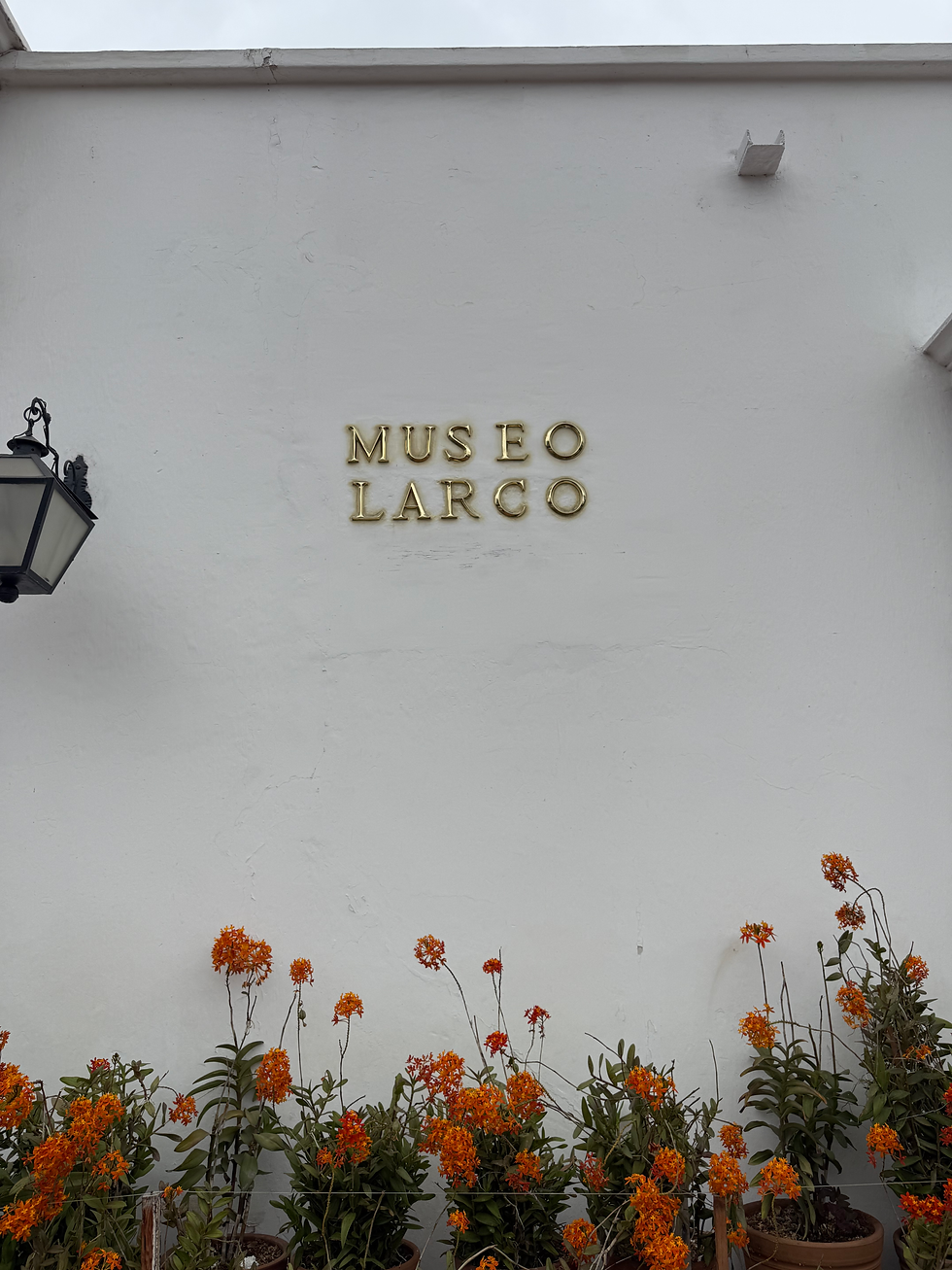
Walking through a museum is never merely a “visit”; for me — as for many women who carry layered histories of ancestral memory, emotional labour, and shared resilience — entering the Museo Larco in Lima felt like stepping into a dialogue between past and present, body and mind, spirit and psyche. The Museo Larco’s collection is not just an archive of ancient objects; it is a living testament to the emotional worlds of pre-Columbian peoples and, in an unexpected way, a space that touches upon our own mental health and holistic well-being.
The Museum and Its Living Collection
The Museo Arqueológico Rafael Larco Herrera —known simply as Museo Larco — was founded in 1926 by the archaeologist Rafael Larco Hoyle. It is housed in an elegant 18th-century viceregal mansion in the Pueblo Libre district of Lima and holds one of the most comprehensive collections of pre-Columbian art in Peru and the world. Its galleries trace more than 5,000 years of cultural history, weaving together ceramics, textiles, metalwork, and sculptural objects that speak to the ingenuity and spiritual life of ancient Andean civilizations. (Museo Larco)
The collection encompasses tens of thousands of artifacts — approximately 45,000 pieces — and is famed for its chronological exhibitions, its visible storage rooms that allow visitors to see rare pieces as if in their original contexts, and its provocative Erotic Pottery Gallery, which challenges Western taboos and invites a broader understanding of sexuality in ancient societies. (Museo Larco)

Among these objects, the early Moche portrait vessels stand out. One iconic example — known as the Cabeza de señor sacerdote — depicts a dignified figure in a bird-headdress with remarkable realism, reflecting both artistic mastery and an intimate rendering of identity. (Wikipedia)

For me, standing before these works felt deeply emotional. These objects, often silent for centuries, carry the traces of human intention, care, craftsmanship, and social meaning. They stimulate reflection not only on history, but also on contemporary life, identity, and how we relate to our inner selves.
The Inner Landscape: Art and Mental Health
In recent years, science and psychology have begun to document what many intuitive museumgoers already know: engagement with art and cultural spaces can have measurable benefits for mental health. The act of viewing art — especially in a gallery or museum setting — has been shown to reduce indicators of stress and promote emotional balance. (artfund.org)

A landmark study from King’s College London and the Art Fund found that viewing original artworks in a gallery context significantly lowered stress markers like cortisol and pro-inflammatory biomarkers associated with chronic stress and anxiety. Participants in this study showed decreases in both stress hormones and inflammatory responses, suggesting that art can calm both mind and body in ways that transcend simple relaxation. (artfund.org)
These findings resonate with experiences many women have when they slow their pace, take a deep breath, and allow themselves the space to ‘be’ with art. In the quiet galleries of Museo Larco — surrounded by textures, forms, and symbols that span centuries — one can feel a sense of grounding, a temporary release from the constant rush of modern life. As someone who navigates multiple roles and emotional responsibilities, these moments of intellectual immersion and aesthetic presence feel restorative.
Research further suggests that museum-based programs and structured art experiences can reduce anxiety and depressive symptoms, improve psychological well-being, and foster a sense of meaning and connection. In one intervention study, participants who completed a planned museum itinerary showed significant improvements across measures of psychological distress, anxiety, and emotional well-being. (PubMed)
In my own reflection, I see how artifacts — born of ancient spiritual practices, cosmologies, and rituals — tap into deep universal themes: identity, loss, love, mortality, and resilience. They offer viewers a way to situate their own experiences within something larger. Female viewers, especially, may find resonance in objects that reflect craftsmanship passed down through generations of women — from textile weavers in the Nazca era to potters whose works captured the very essence of human forms in clay.
Cultures Encountered and Emotional Resonance
The Museo Larco’s galleries trace major pre-Columbian cultures:
North Coast cultures — including Cupisnique, Moche, and Chimú — whose ceramics and metallurgy reveal intricate cosmologies and social structures. (Wikipedia)
Central and South Coast cultures — such as Lima, Chancay, Paracas, and Nazca — whose textile traditions and iconography speak to ritual and everyday life. (Wikipedia)
Highland cultures — including Chavín, Huari, Tiahuanaco, and Inca — whose beliefs connected humans, nature, and the cosmos. (Wikipedia)
Each cultural thread offers the visitor a different emotional entry point. The Nazca lines evoke mystery; the Moche erotic vessels challenge assumptions about human sexuality; the Inca metalwork radiates spiritual authority and cosmological symmetry. Each object invites contemplation: What can these ancient expressions teach us about our own fears, joys, loves, and struggles?

This reflective engagement aligns with research showing that viewing art can boost meaning in life and emotional well-being beyond mere distraction. A study published in The Journal of Positive Psychology found that even brief interactions with art — in museums, galleries, or online — can improve mood and enrich feelings of personal meaning. (Phys.org)
Beyond individual psychology, museum environments provide a space of contemplation, safety, and cultural connection. The curated architecture, lighting, and pacing of exhibitions all contribute to a distinct rhythm distinct from everyday stressors. According to research, this setting itself — alongside the intellectual and emotional engagement with artifacts — can reduce anxiety and foster empathy and connection. (Farnsworth Art Museum)
Art, Healing, and Feminine Wisdom
From a feminine perspective, this museum brings an embodied history shaped by emotional memory, relational labour, and cultural narratives about care, resilience, and creativity. Standing in Museo Larco, I saw how art becomes a mirror and a sanctuary:
A mirror, reflecting back fragments of my own story — my own Canadian heritage, my questions about womanhood, love, and identity.
A sanctuary, offering space to slow down, breathe, and feel grounded.
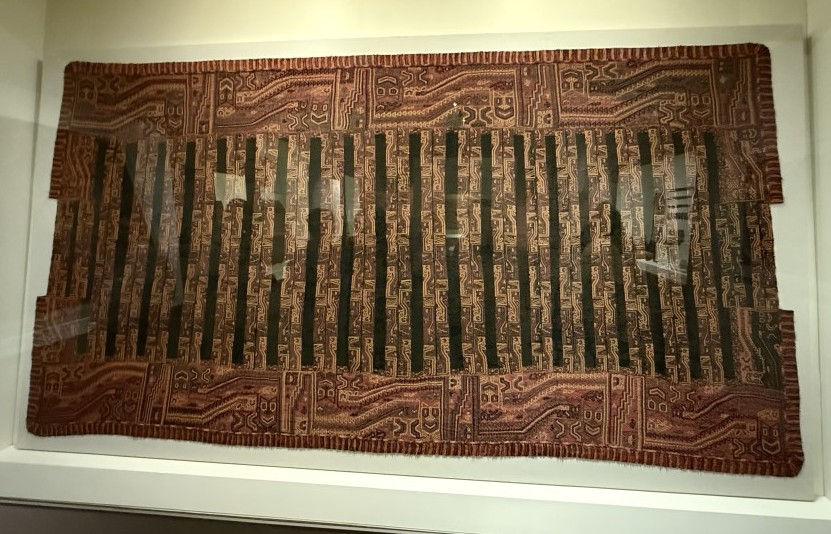
Museo Larco’s collection does not simply catalogue ancient artifacts; it invites introspection and emotional engagement. This mirrors the broader trend in psychology and public health recognizing the importance of cultural participation in mental health. The arts, once marginalized in medical discourse, are increasingly viewed as complementary to traditional approaches to well-being. Museum visits are being prescribed in some European health programs to support mental health, underscoring that cultural spaces can serve both aesthetic and therapeutic functions. (Reuters)
In ancient Andean cultures, art was not separate from life; it was woven into spiritual rites, community roles, and daily practices. In a similar spirit, my visit — shaped by contemplation, emotion, and intellectual curiosity — became an act of self-care and psychological nourishment.

Museo Larco is more than an archaeological repository. It is a space that bridges time, inviting visitors into a conversation across centuries. From the expressive ceramics of ancient cultures to the profound acts of craftsmanship in textiles and metalwork, the collection resonates with contemporary seekers of meaning and emotional balance.
The act of engaging with art — especially within the quiet, intentional environment of a museum — helps us slow our minds, expand our empathy, and find moments of peace in a tumultuous world. As research shows, art engagement alleviates stress, fosters emotional well-being, and provides a pathway to deeper self-understanding. (artfund.org)
For me, walking through Museo Larco felt like an inner pilgrimage — one in which I reclaim the emotional legacy of ancient makers and find in their art an unexpected form of reflection, healing, and feminine wisdom.



Comments