Embracing Your Age: A Nervous‑System Approach to Growing Older With Grace
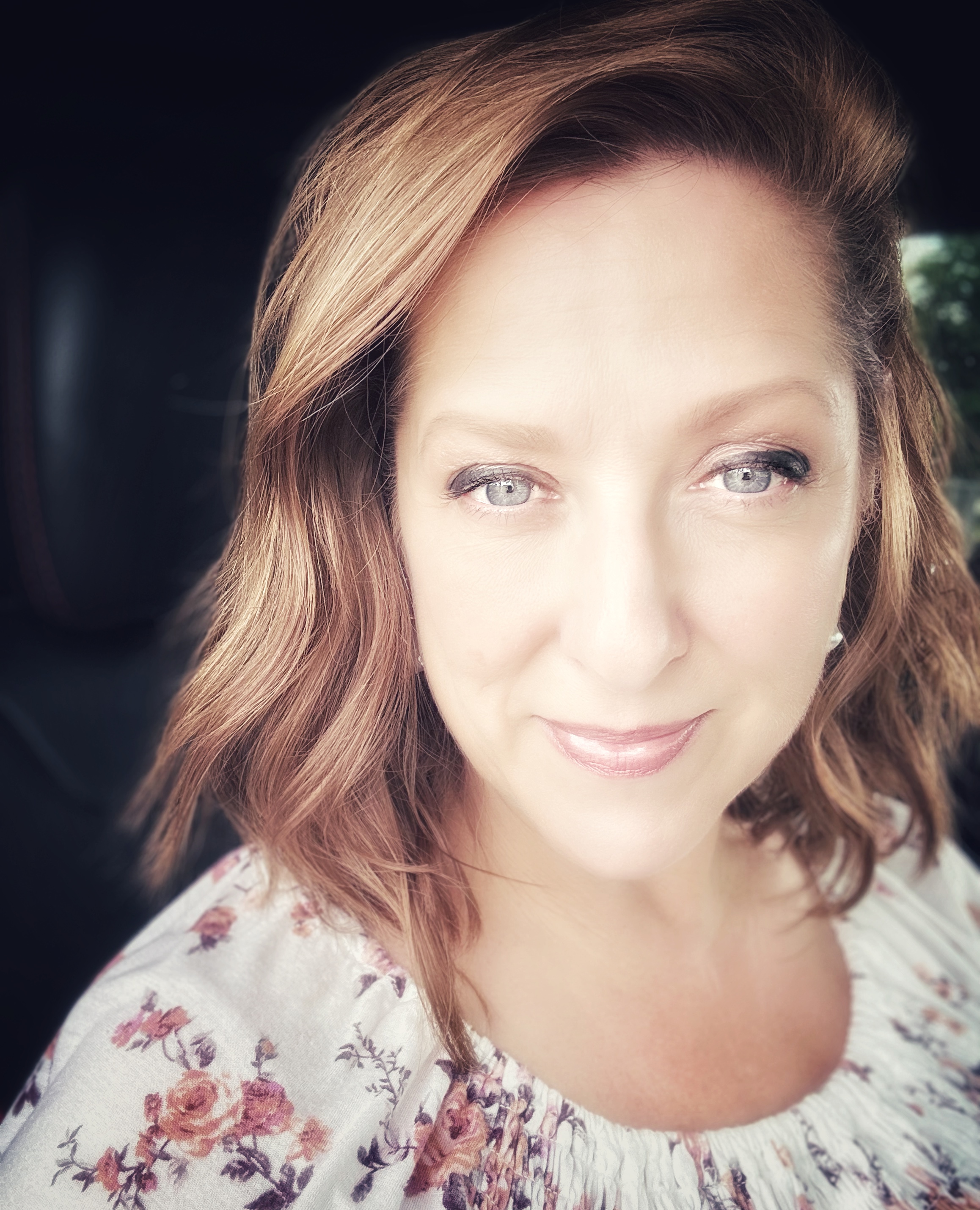
Aging is one of the most human things we do and yet, so many of us carry quiet fear, tension, or shame around it. In my counselling and holistic nutrition work, I see this often: women who feel the pressure to stay “ageless,” who worry about slowing down, or who internalize cultural messages that aging is something to fight rather than something to inhabit.

But emerging research including work from Yale psychologist and epidemiologist Becca Levy, PhD, shows something powerful: Our beliefs about aging directly influence how we age.
Not metaphorically. Not spiritually. Biologically.
Negative age beliefs can increase inflammation, stress biomarkers, and even impact memory and heart health. Positive age beliefs, on the other hand, support strength, resilience, and longevity.
This is incredible news, because it means something essential:
Aging well isn’t just about what happens to the body, it’s about what happens in the mind.
🌱 The Psychology of Aging: Why Your Thoughts Matter
Levy’s research shows that when we internalize negative stereotypes about aging (“I’m slowing down,” “I’m not as valuable,” “It’s all downhill from here”), our bodies respond as though those beliefs are true.
But when we shift toward more compassionate, empowered beliefs (“I’m growing wiser,” “My body deserves care,” “I’m allowed to evolve”), the nervous system softens. Stress hormones decrease. Physical function improves.
This aligns beautifully with what I see clinically: When women stop fighting their age and start befriending it, their relationship with food, movement, rest, and self-worth transforms.
🌼 The ABC Method: A Practical Way to Shift Your Age Beliefs
Levy’s "ABC Method" is a simple, evidence‑based framework that helps us rewrite the internal narrative around aging. I’ve adapted it here through a therapeutic lens.
A — Awareness
Become curious about the beliefs you’ve absorbed. Where did they come from? Social media? Family messages? A culture obsessed with youth? Awareness is the first step toward liberation.
Try: Pause when you hear yourself say something self-critical about aging. Ask: “Whose voice is this?”
B — Blame (Placed Where It Belongs)
Many challenges we attribute to “getting older” are actually the result of ageism, unrealistic expectations, or environments that don’t support us. This reframing is not about denial, it’s about accuracy.
Try: Reflect on a recent frustration. Instead of assuming “this is just aging,” ask: “Is this actually about societal pressure, lack of support, or an environment that could change?”
C — Challenge
Seek out role models who embody the qualities you want to cultivate; strength, softness, creativity, resilience, humour, wisdom. This helps your brain build new neural pathways around what aging can look like.
Try: Create a list of people who inspire you. They can be public figures, elders you love, or even fictional characters. Ask yourself: “What qualities do they embody that I want to grow into?”
💛 Aging Through a Nervous‑System Lens
In my counselling and nutrition practice, I often remind clients: Your nervous system ages with you and it responds beautifully to gentleness.
Here are a few ways to support emotional and physical aging:
Regulate your stress response through breathwork, grounding, and compassionate self-talk.
Nourish your body with foods that stabilize blood sugar and support cognitive health.
Strengthen your emotional resilience through boundaries, rest, and meaningful connection.
Release perfectionism and embrace the season you’re in.
Let your identity evolve instead of clinging to past versions of yourself.
Aging is not a decline, it’s a deepening.
🌸 You Are Allowed to Age With Joy
Aging is not a failure. It’s not a loss of value. It’s not something to hide.
It is a continuation of your story, and you get to choose the tone of the next chapter.
If you’re navigating anxiety about aging, body changes, identity shifts, or the emotional weight of growing older, you’re not alone. This is tender work and it’s work we can do together.


Comments